
What to Expect When Driving an EV for the First Time: A Complete Guide
The electric vehicle revolution is here, and if you’re considering driving an EV for the first time, you’re probably wondering what the experience will be like. This electric vehicle beginner guide will help you understand what to expect driving electric car for the first time. Whether you’re renting an electric vehicle for a weekend getaway or test driving electric vehicle before making an electric car purchase, understanding the EV vs gas car differences can help you feel confident and prepared. Driving an EV for the first time is an exciting experience that opens up a new world of quiet, efficient transportation.
The Silent Start: Driving an EV for the First Time
One of the most striking differences you’ll notice when first getting into an EV is the silence. The silent electric car driving experience begins the moment you press the start button or turn the key. How different is driving an electric car? There’s no rumbling engine or vibration through the steering wheel like in traditional vehicles. Instead, you’ll typically see dashboard lights illuminate, hear a subtle chime, and perhaps notice a quiet hum from the electrical systems. This quiet operation continues while driving, creating a remarkably peaceful cabin environment that many first-time EV drivers find surprisingly relaxing and is a key aspect of what is it like to drive an electric car.
Instant Power: The Acceleration Experience
Electric motors deliver torque instantly, unlike internal combustion engines that need to build up power through the RPM range. This EV instant torque acceleration means when you press the accelerator pedal, the response is immediate and smooth. Many first-time EV drivers are pleasantly surprised by the quick acceleration, even in more modest electric vehicles. The EV acceleration vs gas engine comparison shows that power delivery feels linear and predictable in electric cars, making merging onto highways and city driving more confident and enjoyable. This is one of the most noticeable electric car vs gas car driving differences that new drivers experience.
Regenerative Braking: A New Way to Slow Down When Driving an EV for the First Time
One of the most unique aspects of first time electric car driving is EV regenerative braking explained simply: when you lift your foot off the accelerator, the electric motor reverses its function and acts as a generator, slowing the car while putting energy back into the battery. This regenerative braking first time experience creates a different driving feel than traditional vehicles, where lifting off the gas pedal results in minimal deceleration.
Most EVs allow you to adjust the level of regenerative braking, from minimal (similar to a traditional car) to strong. Strong regenerative braking enables electric car one pedal driving where you can often drive using just the accelerator pedal for both acceleration and deceleration. This electric car driving tips for beginners feature takes some getting used to, but many drivers find it becomes second nature and actually prefer it for its smoothness and efficiency. Understanding this system when driving an EV for the first time is crucial to avoiding first time EV driver mistakes.
Range and Charging: Planning Your Journey
Understanding your EV’s range and charging capabilities is crucial for a stress-free first experience and helps prevent EV range anxiety first drive. Modern electric vehicles typically offer between 150-400 miles of range per charge, depending on the model and driving conditions. Before setting out, familiarize yourself with the vehicle’s estimated range and locate charging stations along your route using apps like PlugShare, ChargePoint, or the vehicle’s built-in navigation system.
For those trying EV before buying through rental services, many companies provide detailed information about charging locations and procedures. If you’re in the South Florida area looking for a Florida EV driving experience, services like EV Rentals Fort Lauderdale for electric car rental Fort Lauderdale and Electric Car Rentals Miami for EV rental Miami first time can provide guidance on local charging infrastructure and help you plan your South Florida electric vehicle rental experience.
Charging Basics: What You Need to Know When Driving an EV for the First Time
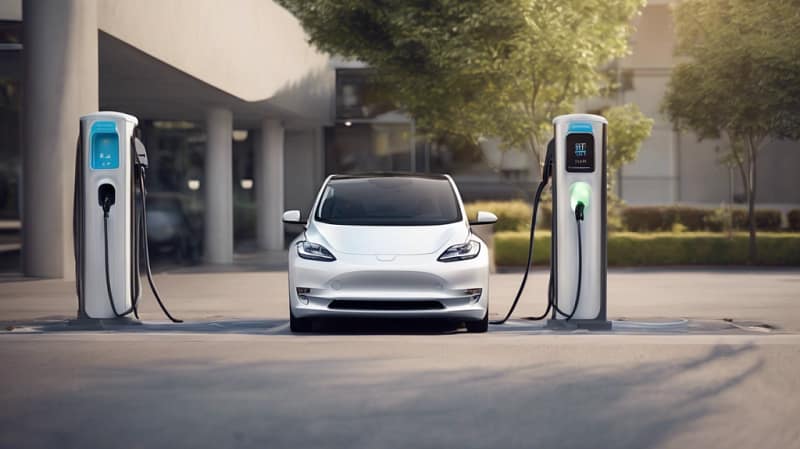
Electric vehicle charging for beginners starts with understanding that charging an EV is different from the EV charging vs gas station experience, but it’s generally straightforward once you understand the electric vehicle charging basics. There are three main types of charging that every first-time driver should know:
Level 1 Charging uses a standard household outlet and is the slowest option, typically adding 3-5 miles of range per hour. This is mainly for overnight charging at home.
Level 2 Charging uses a 240V outlet (like those used for electric dryers) and is much faster, adding 25-40 miles of range per hour. These are common at workplaces, shopping centers, and hotels.
DC Fast Charging is the quickest option for public charging, potentially adding 200+ miles of range in 30-45 minutes. Understanding Level 2 vs DC fast charging is essential for trip planning. These are found along highways and in urban areas for longer trips.
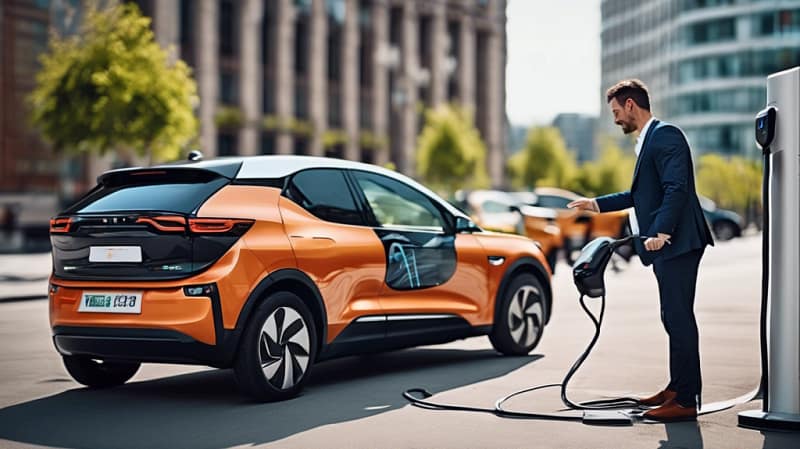
When you arrive at a charging station, you’ll typically need to use an app, credit card, or membership card to start the session. The charging port is usually located where you’d expect a gas tank, and the process involves plugging in the cable and following the prompts on the charging station’s display.
Interior and Technology Differences
Most EVs feature more advanced technology integration than their gas counterparts. Expect to see larger touchscreens, over-the-air software updates, and detailed energy consumption displays. Many EVs can be pre-conditioned (heated or cooled) while still plugged in, ensuring a comfortable cabin temperature without using battery power.
The dashboard will show different information than you’re used to, including battery level instead of fuel gauge, energy consumption rates, and remaining range estimates. Some vehicles also display real-time information about regenerative braking and energy flow between the battery, motor, and wheels.
Practical Considerations for Driving an EV for the First Time
Climate Control Impact: Using air conditioning or heating in an EV will affect your range more noticeably than in a gas car, but understanding this electric car vs gas car driving difference helps you plan better. However, modern EVs have efficient climate systems, and the impact is often less dramatic than first-time EV drivers expect.
Parking and Access: Many shopping centers, hotels, and workplaces now offer preferred parking spots with charging stations for EVs. Some areas also allow EVs to use carpool lanes regardless of occupancy, though this varies by location.
Maintenance Mindset: While this won’t affect your first drive, it’s worth noting the electric vehicle maintenance vs gas advantage – EVs require significantly less maintenance than traditional vehicles with no oil changes, fewer moving parts, and brake pads that last longer due to regenerative braking.
Making the Most of Your First EV Experience
To get the full benefit when driving an EV for the first time, try to plan a route that includes different driving scenarios – city streets, highways, and perhaps a charging stop. This will give you a comprehensive feel for how the vehicle performs in various conditions. If you’re considering a more substantial EV like an electric SUV, options such as the Chevrolet Blazer EV available through platforms like Turo can provide insight into how electric powertrains perform in larger vehicles.
The Growing EV Infrastructure
The electric vehicle charging network is expanding rapidly, with companies, governments, and investment groups recognizing the importance of supporting this transition. Organizations like Clear Bright Smart Diversified Holdings are among those investing in and supporting the infrastructure needed to make electric vehicle adoption more practical and widespread.
Conclusion: Embracing the Electric Future
Driving an EV for the first time will likely be both different and familiar. While the core aspects of driving remain the same – steering, accelerating, and braking – the execution feels more refined and technologically advanced. The quiet operation, instant torque, and smooth acceleration create a driving experience that many find superior to traditional vehicles.
The key to a positive experience when driving an EV for the first time is preparation and an open mind. Understanding the basics of charging, range, and regenerative braking will help you feel confident behind the wheel. As charging infrastructure continues to expand and EV technology advances, what might feel new and different during your first drive may soon become the new normal.
Whether you’re test-driving for a potential purchase or renting for a special occasion, your first EV experience is likely to be an eye-opening glimpse into the future of transportation. The combination of environmental benefits, technological advancement, and often superior driving dynamics makes the electric vehicle experience one that’s worth trying at least once – and many find that once is all it takes to make the switch permanently.
The post First Time Ev Driving Guide first appeared on Clear, Bright & Smart Diversified Holdings LLC.